Mental Health Professionals Doing More Harm than Good – PT 2
I will keep saying it until things change, I believe many in my profession (the mental health profession), are doing more harm than good. Sadly, as I mentioned in the previous post, the core concern centers around possibly well-intentioned yet naïve practices. Others in the mental health community, however, are very direct and intentional about indoctrinating their clients and the public about sick and evil practices. They are not hiding it.
So, let us continue this discussion. (Go back and read part 1 here)
-
Medication Concerns and Symptom Suppression
Psychiatric medications are often overprescribed for mild to moderate mental health distress.
What is happening:
- Short appointment times incentivize prescriptions
- Meds are used as first-line solutions in mental health rather than last resort solutions or integrated tools
- Long-term effects and withdrawal challenges are under-discussed or not discussed at all
Many critics are not anti-medication-they are anti-medication-as-default. I am definitely on the side of medication as a last resort not a first resort. And for certain, our children should not be put on these psychotropic medications as they were researched and designed for adults. The effects are too dangerous for children.
I recently sat down with a local church administrator who reported an inquiry from a parent wanting to find a psychiatrist for a 3-year-old who is experiencing anxiety.
This parent is brainwashed. This parent believes something is wrong with her daughter and medication can ‘fix’ it. This is the direct influence of the education, medical, mental health, and big pharma communities. It is wrong! She is 3!!!!!!!!!!!!!
The ‘fix’ for this child centers on parenting. The ‘fix’ is consistent, direct, and intentional parenting teaching life skills – such as emotional regulation and thought management. It begins at this early age and continues as kids grow into teenagers and young adults. No medication required.
The resulting concern for people:
- A drug dependent nation
- Toddlers, kids, teens, and adults who believe they have something mentally wrong with them when they do not
- Crippled confidence in our toddlers, kids, teens, and adults by reducing symptoms but not learning life skills
- Use of synthetic medication as a quick to ‘fix’ typical and normal emotional and mental struggles
- Medical and mental health personnel who use medication as a first resort rather than a last resort
- Psychiatrists, other medical and mental health personnel who do not review nutrition, hydration, sleep, and physical activity
- Reinforcing victim and fragility narrative
-
Neglecting Consequence, Responsibility, and Purpose in Mental Health
Modern mental health and medical professionals often avoid conversations about:
- Moral responsibility to show up do the right thing and have a good attitude
- Discipline of emotion, thought, and behavior
- Understanding and owning the natural consequences of choices in belief, emotion, and behavior
- Faith/spiritual frameworks as options supporting responsible and purposeful choices in mental health
- Purpose-driven suffering as normal aspects of life used to grow and learn from
What is happening:
- Fear of imposing values and calling feelings, beliefs, and/or behavior is ‘right’ or ‘wrong’
- Secularization of mental health care emphasizing emotional safety and ‘radical acceptance’
- Emphasis on symptom reduction rather than life construction and intentionality
- Lack of knowledge on statistically what leads to a consistent life of satisfaction and high performance
Why is this bad:
Removing these conversations around consequences, responsibilities, and purpose leaves people:
- Repeating the same struggles
- Comfortable but empty
- Safe but stagnant
- Validated but directionless
- Secure with a mental health ‘excuse’ for lack of growth and improvement
- Secure ‘excuse’ with a mental health diagnosis for poor behavior choices
- Demanding accommodations for normal struggles of emotional regulation and discipline of beliefs and behavior
The resulting concern for people:
Overall, this creates mentally weak people who think the world-their school, teachers, team, coaches, university, job, family, parents – should accommodate and make things easier for them. This generates entitlement. This generates immaturity. This generates difficult and emotionally manipulative jerks.
-
Social Contagions and Online Mental Health Culture
Mental health content on social media may increase symptom reporting and identification-especially among teens. Is that good? No.
What is happening:
- Algorithms reward emotional intensity and excuse building
- There is little to no mechanism editing or removing hurtful and evil content
- Diagnostic mental health language spreads faster than coping skills
- Vulnerability becomes performative
Why is this bad:
Most credible critics are not rejecting appropriate mental health care. Since the introduction of the smartphone, the observed effect includes increased anxiety and depression, self-diagnosis of symptoms and label fixation.
The impact on young and old with the immersion of social media is:
- Fragility over resilience
- Labels over life skills
- Passivity over intentionality
- Comfort over growth
- Symptom expression over purpose and meaning
The resulting concern for people:
Again, young, and old are now convinced that they ‘have’ some mental health label – ADHD/ADD, anxiety, depression, bi-polar- when they do not. Struggles with thought management and emotional regulation are normal for everyone, especially toddlers, children, and teens. This is a time for our children to learn the life skills needed for the rest of their lives. Our culture is now usurping that process to horrifying results.
-
Teaching Perverse Sexual Practices as Natural & Standard
What is happening:
During my lifetime, the mental health profession shifted from a ‘moral model’ to a ‘distress model’. Modern mental health largely considers behavior or identity ‘disordered’ or an ‘illness’ only IF it causes clinically significant distress or functional impairment. But, if something is consensual, informed, and not impairing functioning, then many clinicians do not categorize it as pathology. Atypical sexual interests are not a disorder now if apparently, they do not cause distress or harm to others. The therapist should not cast a moral judgement on these interests or preferences. Thus, the role of mental health clinicians is to treat the suffering but not enforce what are considered cultural norms or moral standards of ‘right’ and ‘wrong’.
Modern mental health clinicians, as a result, look for consent, parties being informed, if coercion exists, and any psychological destabilization. If the answer is ‘no harm’ + consent, then mental health professionals adopt ‘It is not my job to tell a person what they should sexually value‘.
Why is this bad:
What is considered ‘normal’ is a moving target and historically and culturally variable. Our Western culture continues to move towards individual expression and ‘anything goes’. Dialectical Behavior Therapy (DBT) and Acceptance and Commitment Therapy (ACT) use ‘radical acceptance’ language believing fighting reality increases mental health suffering and acceptance reduces shame and internal conflict.
If you decide to go to war on your biological sex, then you will meet an exceedingly difficult road ahead typically lifelong medical and mental health issues. Suffering is worse when you fight your biological sex determined at conception and revealed at birth than the suffering to embrace and express your individuality through personality constructs, passions, and gifts consistent with biological sex.
Another example centers on what mental health clinicians now call ‘kink lifestyles’. While active debates are ongoing, there is no long-term relational stability in polyamory, swinging, BDSM, and the like. Yet you will find countless licensed professionals building their practice helping people engage in these lifestyles. How this is okay with the state board is beyond comprehension.
A therapist’s role is to do no harm and challenge problematic beliefs and behavior. The dominant clinical logic prohibits this in a ‘distress model’. Yet TO NOT challenge is doing harm. There are certain mental health consequences to choices. Some beliefs and behaviors produce immediate distress; others produce delayed harm. Some produce permanent damage. Still others produce relational or spiritual consequences not captured by clinic metrics.
The resulting concern for people:
Compulsive or experimental sexual novelty masking as ‘identity’ or a ‘lifestyle’ is harmful physically, mentally, emotionally, and spiritually. Sexuality is a small part of being human but not one’s identity. Adolescence marks the awakening to being sexual and now is marked by experimentation and the ‘novel’. This is leading to normalizing abnormal. Affirming and ‘radical acceptance’ in mental health offices replaces discernment and wisdom.
Concerns are equally high regarding healthy attachment to a mentally and emotionally stable partner who does not constantly fluctuate in identity and sexual expression. Not all consensual behaviors are morally neutral. Psychological health includes alignment with created design.
Attachment in all these diverse and often perverse lifestyles is fragmented. High novelty or non-exclusive relational structures complicate pair-bonding, increase jealousy, anxiety, and anger. They increase relational instability and trust erosion. These lifestyles are socially costly, deepen spiritual distress, and generate an ever changing moral compass.
Ethical Tension in Mental Health
As you can see, I am disgusted by practitioners in my profession and the damage I watch inflicted on people. Many, I admit, are simply following the crowd and naïve to the utter demolition going on by reinforcing these choices. Therapists abdicated their moral responsibility to guide their clients to heal, change, and protect their long-term flourishing.
For others in this mental health field, they convinced enough elite decision-makers in our professional organizations and state licensing boards that they do not have to be proficient in science and reality. Some actually teach and condition their clients practicing BDSM, polyamory, and multiple gender options are plausible, acceptable choices, and come with few problems when imposed well. They fight to keep abusing children with gender affirming care just recently seen by the Texas Counseling Association after the Texas Attorney General clarified that mental health professionals are included as a part of the medical community (as it always has been).
Advocacy, indoctrination, and pushing an agenda matters more than doing the right and honorable thing based on reality, science, truth, and faith. Doing no harm appears to mean nothing to these mental health clinicians.
“I think Kip is really cool, and you should, too!–Kip’s Mom
How This Works
- Step #1 goes here.
- Step #2 goes here.
What’s Next?
If you think that this sounds like something that might be a good fit for you then our next step is to meet and talk about a personalized plan for you. I can be reached in several ways but the fastest ways are phone and appointment request form. I look forward to hearing from you and helping you improve your performance!
Phone
I can be reached at 214-543-4108. Because I’m constantly in session with other athletes I may not answer the phone so leave me a voice-mail with your name, a phone number that you will answer, I promise you that I will return your call within 2-3 hours.
Appt. Request Form
You know the drill! Fill in the form, click “Submit” and I’ll call you within 2-3 hours. Improving your overall performance is only that far away!
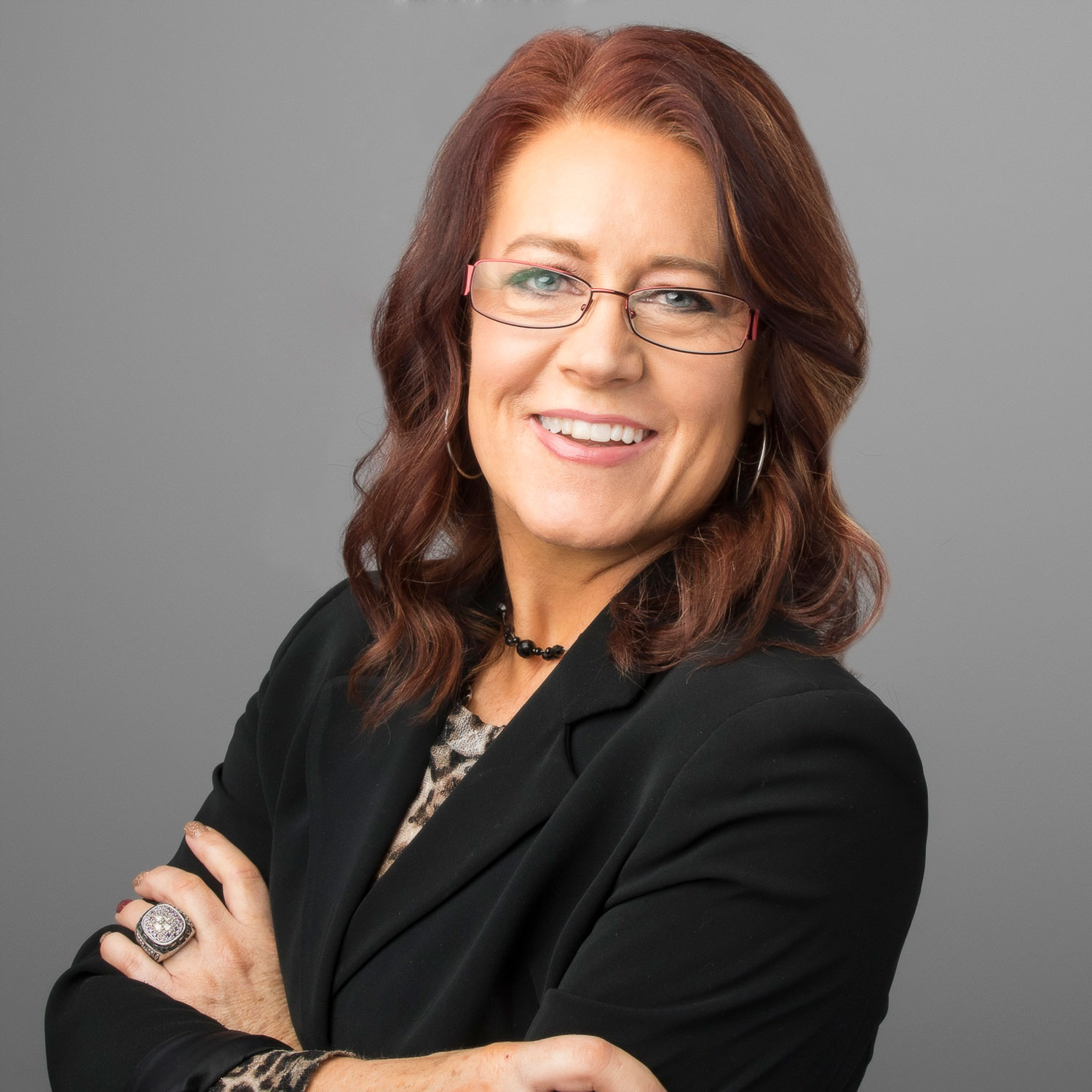

Anne ‘Kip’ Rodgers, MA, LPC-S, CHPC
Mental Performance Coaching & Training
Join the BrainCode Community